Finding the Real Source of Your Neck, Back or Nerve Pain
Are you searching for a neurosurgeon near me in Frisco because neck pain, back pain or a nerve that shoots down your arm or leg is changing the way you live? At American Neurospine Institute in Frisco, TX, we start by finding out exactly what is causing your symptoms. Guided by our ANI CARES commitment, our team pairs academic medical science with personal attention, explores conservative options before surgery, and uses data-driven, minimally invasive techniques when an operation truly makes sense. Where Evidence Backs Expertise.
Request an AppointmentWhat Conditions Does a Neurosurgeon Treat?
A neurosurgeon diagnoses and treats disorders of the spine, spinal cord, brain and the nerves that branch out from them. That includes disc problems, spinal narrowing, pinched nerves, spinal deformity, fractures, tumors and injuries. Many of these conditions improve without an operation, and a neurosurgeon is trained to tell you when surgery will help and when it won’t.
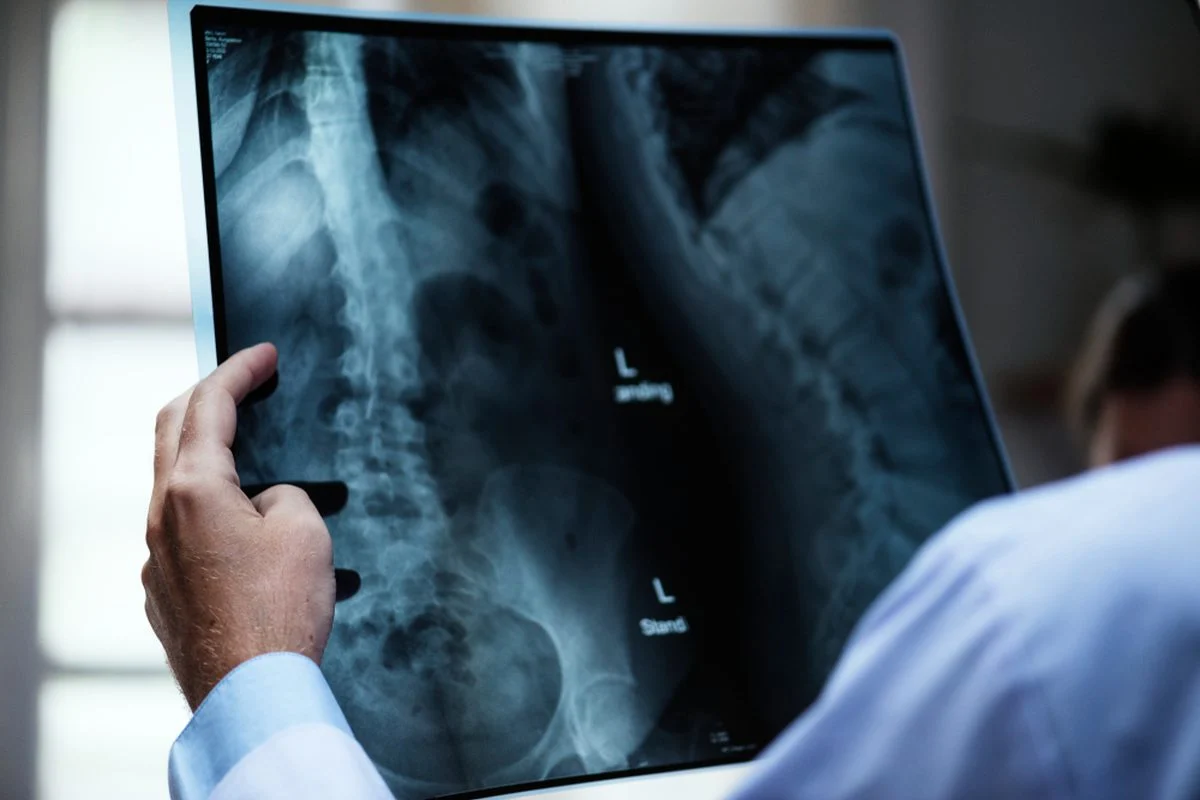
Symptoms can look very different from one person to the next. One patient with a herniated disc feels only a dull ache, while another has burning pain and numbness down the leg. That’s why every evaluation at American Neurospine Institute begins with your story, your medical history, a hands-on physical exam and a careful look at your imaging before we recommend anything.
Use the guide below to find your diagnosis or the symptom that sounds most like yours.
Which Neck Conditions Do We Treat?
Problems in the cervical spine can cause neck stiffness, headaches, and pain, tingling or weakness that travels into the shoulders, arms and hands.
- Neck pain from muscle strain, worn joints or disc changes
- Cervical myelopathy, pressure on the spinal cord that can affect balance and hand coordination
- Radiculopathy, an irritated nerve root causing pain and numbness down the arm
- Headaches linked to the neck or to neurological causes
See the full overview of neck conditions we treat.
Which Back and Leg Pain Conditions Do We Treat?
Lower back problems are among the most common reasons patients across Collin and Denton counties come to see us.
- Back pain, from short-term flare-ups to long-standing pain
- Sciatica, pain that radiates from the low back through the buttock and down the leg
- Leg pain and numbness caused by nerve compression
- Spondylolisthesis, a vertebra that slips forward over the one below
- Sacroiliitis, inflammation of the sacroiliac joints
- Sports injuries that affect the spine and nerves
See the full overview of back conditions we treat.
What Disc Problems Can Cause Spine Pain?
Your spinal discs act as cushions between the vertebrae. When they wear down, bulge or tear, they can press on nearby nerves.
- Herniated disc, including lumbar and cervical disc herniation
- Prolapsed disc
- Ruptured disc
- Annular disc tear
- Torn disc
- Degenerative disc disease
What Causes Spinal Narrowing and Pinched Nerves?
Age-related changes, bone spurs, thickened ligaments and disc bulges can shrink the space around the spinal cord and nerve roots.
- Spinal stenosis
- Spinal canal stenosis
- Spinal narrowing
- Foraminal narrowing
- Pinched nerve
- Nerve root impingement
- Bone spurs
Which Degenerative and Inflammatory Spine Conditions Do We Treat?
- Degenerative spinal disease
- Arthritis of the spine
- Spondylitis
- Chronic pain that hasn’t responded to other care
What Counts as a Complex Spine Condition?
Complex spine conditions involve spinal alignment, fractures, injury, tumors or problems after a previous operation. They often call for advanced imaging and surgical planning.
- Scoliosis in teens and adults
- Kyphosis, an excessive forward curve of the upper back
- Compression fractures, often related to osteoporosis
- Spinal cord injury
- Spinal tumors
- Adjacent segment disease after a previous fusion
- Spinal instrumentation failure
See the full overview of complex spine conditions.
Which Brain Conditions Do We Treat?
- Brain tumors, including gliomas and metastatic tumors
- Meningioma
- Chiari malformation
- Brain trauma
See the full overview of brain conditions we treat and our approach to brain tumor care.
Does Every Spine Condition Need Surgery?
No. Most spine conditions are treated without surgery first. Depending on your diagnosis, your plan may include observation, physical therapy, medication, facet block injections, pain management, activity changes or bracing. You can learn more about our non-surgical care.
When surgery is the right choice, the goal is to correct the underlying problem while respecting your anatomy, activity level and personal goals. Our surgeons use minimally invasive surgery and advanced surgical technology whenever appropriate. Explore all of our neurosurgical treatments or browse the complete list of treatment options.
When Should You See a Neurosurgeon Near You?
It’s a good idea to schedule an evaluation if your pain lasts longer than a few weeks, keeps coming back, or travels into your arms or legs. Numbness, tingling, weakness, clumsy hands or trouble with balance are also reasons to be seen. If you notice sudden loss of bladder or bowel control, numbness in the groin area or rapidly worsening weakness, go to the nearest emergency room. For more guidance, read when to see a neurosurgeon for back pain.
Our Frisco office welcomes patients from across North Texas, including Plano, McKinney, Allen, Prosper and Little Elm. Meet Dr. Ripul R. Panchal and Dr. Joshua Crooks, learn why patients choose us, and see what to expect at your first visit.
What Do Patients Ask About Spine and Brain Conditions?
What conditions does a neurosurgeon treat?
A neurosurgeon treats disorders of the spine, spinal cord, brain and nerves. Common examples include herniated discs, spinal stenosis, sciatica, pinched nerves, cervical myelopathy, scoliosis, compression fractures, spinal and brain tumors, Chiari malformation and head or spine injuries. Many of these conditions are managed without surgery.
Will I need surgery for my spine condition?
Not necessarily. Most patients start with conservative care such as physical therapy, medication, injections or activity changes. Surgery is usually considered when symptoms don’t improve, nerve function is getting worse, or imaging shows a problem that conservative care can’t correct.
What symptoms mean I should see a spine specialist right away?
Go to an emergency room for sudden loss of bladder or bowel control, numbness in the groin or inner thighs, rapidly worsening weakness in the arms or legs, or severe pain after a fall or accident. Schedule a prompt visit for pain that spreads into your arms or legs, numbness, tingling, clumsy hands or balance problems.
Can a herniated disc or pinched nerve heal on its own?
Yes, many do. A large share of herniated discs and pinched nerves improve over several weeks to a few months with rest, guided exercise and anti-inflammatory treatment. If pain persists or weakness develops, a neurosurgeon can determine whether further treatment is needed.
What should I bring to my first appointment?
Bring any MRI, CT or X-ray images and their reports, a list of your medications, records of treatments you’ve already tried, your photo ID and your insurance card. Having these ready helps our team reach an accurate diagnosis faster.
How is a spine condition diagnosed?
Diagnosis combines a detailed conversation about your symptoms, a review of your medical history, a physical and neurological exam, and imaging such as MRI, CT or X-rays. In some cases, nerve testing is also used to confirm which nerve is affected.
Do you see patients from outside Frisco?
Yes. American Neurospine Institute cares for patients from Plano, McKinney, Allen, Prosper, Little Elm and communities throughout North Texas at our Frisco office on the Dallas Parkway.
