Is a Small Tear in Your Disc Causing Big Pain?
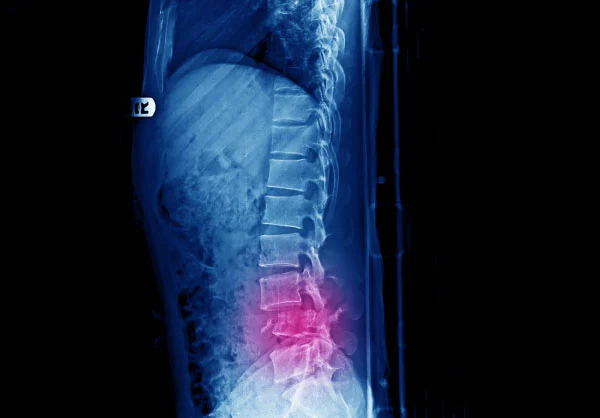
Do you have a deep ache in your back or neck that gets worse when you sit, bend or lift? A tear in the outer wall of a spinal disc may be the cause, even when an earlier MRI looked “mostly normal.” At American Neurospine Institute in Frisco, TX, Dr. Ripul Panchal and our neurosurgery team find out exactly where your pain is coming from. Most patients start with conservative care, and surgery is only considered when it is truly needed. If you have been searching for an annular disc tear specialist near me, call (972) 806-1188 or request a visit online.
Request an AppointmentWhat Is an Annular Disc Tear?
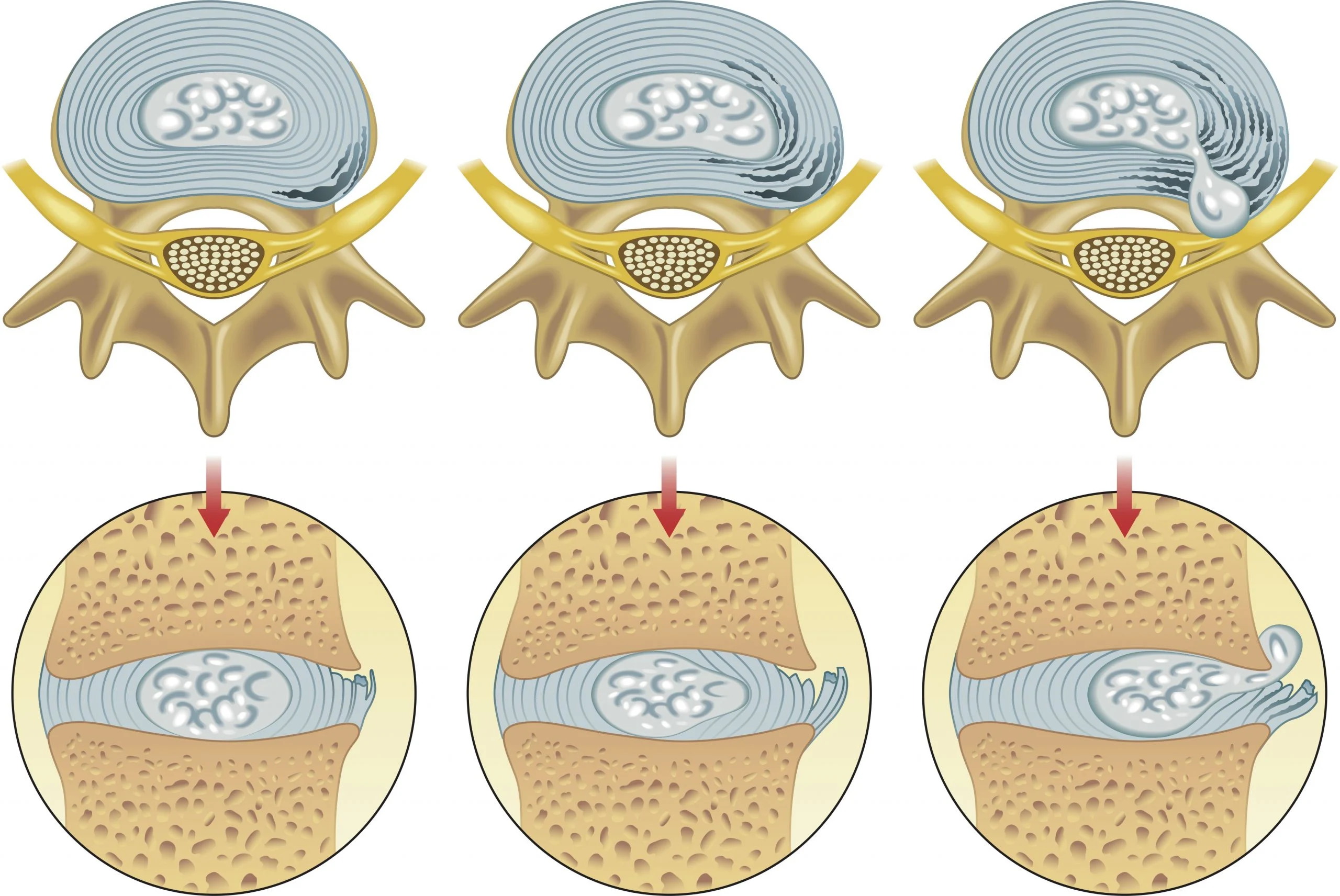
An annular disc tear, also called an annular fissure, is a crack or split in the annulus fibrosus. This is the tough, layered outer ring of a spinal disc. Each disc sits between two vertebrae and works like a cushion. The annulus holds the soft, gel-like center, called the nucleus pulposus, in place. When the outer fibers tear, the nerve endings in the disc wall can become irritated and inflamed. Inner disc material may also begin to push outward. Patients often hear this condition called a torn disc. If the tear lets disc material escape, it can progress to a herniated disc.
What causes the annulus to tear?
Most annular tears come from a mix of age-related wear and everyday stress on the spine. Common causes include:
- Natural disc aging and degenerative disc disease, which dries out and weakens the disc wall
- Lifting with a twist, or lifting heavy objects with poor form
- Repetitive bending, such as in physical jobs or some sports
- Sudden trauma from a car accident, fall or sports injury
- Smoking, extra body weight and long hours of sitting, all of which add strain to the discs
What does an annular disc tear feel like?
Symptoms depend on where the tear is and whether nearby nerves are involved. Many people notice:
- A deep, aching pain in the lower back or neck that flares when you sit, cough, sneeze or bend forward
- Pain that eases when you lie down or change position
- Radiating pain into the buttock and leg, similar to sciatica, or into the shoulder and arm with neck pain
- Numbness, tingling or weakness from radiculopathy when inflamed disc material irritates a nerve root
- Stiffness and muscle spasms around the injured level
How Do We Diagnose an Annular Tear?
Annular tears are small, so they can be easy to miss. Your visit starts with a detailed history and a neurological exam that checks your strength, reflexes and sensation. Dr. Panchal then reviews high-resolution MRI images. On these images, a tear often shows up as a bright “high-intensity zone” in the back of the disc. When the source of pain is still unclear, we may use targeted diagnostic injections to confirm which disc is causing your symptoms. We also look for related problems such as a pinched nerve or spinal canal stenosis. Wondering what to bring? See your first visit guide.
How Is an Annular Disc Tear Treated?
The good news is that most annular tears heal or settle down with conservative care over several weeks to a few months. The disc wall cannot fully regrow, but scar tissue can seal the tear, and inflammation usually calms down with time. We build a step-by-step plan around your symptoms, activity level and goals.
Which non-surgical treatments help a torn disc heal?
- Physical therapy to strengthen the core, improve posture and protect the disc during daily activity
- Anti-inflammatory medications, activity changes and short periods of relative rest
- Pain management, including epidural steroid injections that calm nerve inflammation
- Facet block injections when the nearby facet joints are also contributing to pain
- Cryotherapy to reduce inflammation and muscle spasm
When is surgery recommended for an annular tear?
Surgery is the exception, not the rule. Dr. Panchal may recommend a procedure if pain continues after several months of good conservative care, if a tear leads to a herniation that compresses a nerve, or if you develop progressive weakness. Options may include laser disc repair, lumbar disc microsurgery, artificial disc replacement, or, for a badly damaged disc, spinal fusion. Whenever possible, we use minimally invasive surgery, which means smaller incisions, less muscle disruption and a faster return to daily life.
Why choose a neurosurgeon near me for disc pain?
Dr. Panchal is a fellowship-trained neurosurgeon who treats the full range of spine problems, from simple disc irritation to complex reconstruction. Because he offers both non-surgical and surgical care, his recommendation is based on what your spine actually needs. You can learn more about Dr. Ripul R. Panchal, or browse other back conditions we treat in Frisco and across Collin and Denton counties.
Questions Patients Ask About Annular Disc Tears
Can an annular disc tear heal on its own?
Yes, many annular tears improve on their own within six weeks to a few months. Scar tissue forms across the tear and inflammation settles. Physical therapy, activity changes and anti-inflammatory care support this healing process.
Is an annular tear the same as a herniated disc?
No. An annular tear is a crack in the disc’s outer wall. A herniated disc happens when the inner gel pushes out through that wall. A tear can lead to a herniation, but many tears never progress that far.
How long does annular tear pain last?
Most patients feel noticeably better within six to twelve weeks of consistent conservative care. Larger tears, or tears that cause nerve irritation, can take longer. Ongoing pain past three to six months is a good reason for a neurosurgical evaluation.
Will an MRI show an annular disc tear?
Usually, yes. A high-quality MRI often shows a tear as a bright high-intensity zone in the back of the disc. Small tears can be subtle, so an experienced spine specialist should review the images alongside your exam.
What activities should I avoid with an annular tear?
Avoid heavy lifting, repeated bending, twisting under load and sitting for long periods without a break. Gentle walking is usually encouraged. Your care team will guide you on returning to exercise and sports safely.
Do I need surgery for an annular disc tear?
Most people do not. Surgery is considered only when pain persists after several months of conservative treatment, when a herniation compresses a nerve, or when weakness gets worse. Minimally invasive options are used whenever possible.
Where can I find annular disc tear treatment near me in Frisco?
American Neurospine Institute is located at 13136 Dallas Parkway, Suite 540A, in Frisco, TX. We see patients from Plano, McKinney, Allen, Prosper, Little Elm and nearby communities. Call (972) 806-1188 to schedule a visit.
Ready to Find Out What’s Behind Your Back or Neck Pain?
You don’t have to keep guessing about lingering disc pain. Schedule a consultation with Dr. Ripul Panchal at American Neurospine Institute for a clear diagnosis and a treatment plan that starts with the least invasive option. Call (972) 806-1188 or request your appointment online today.
