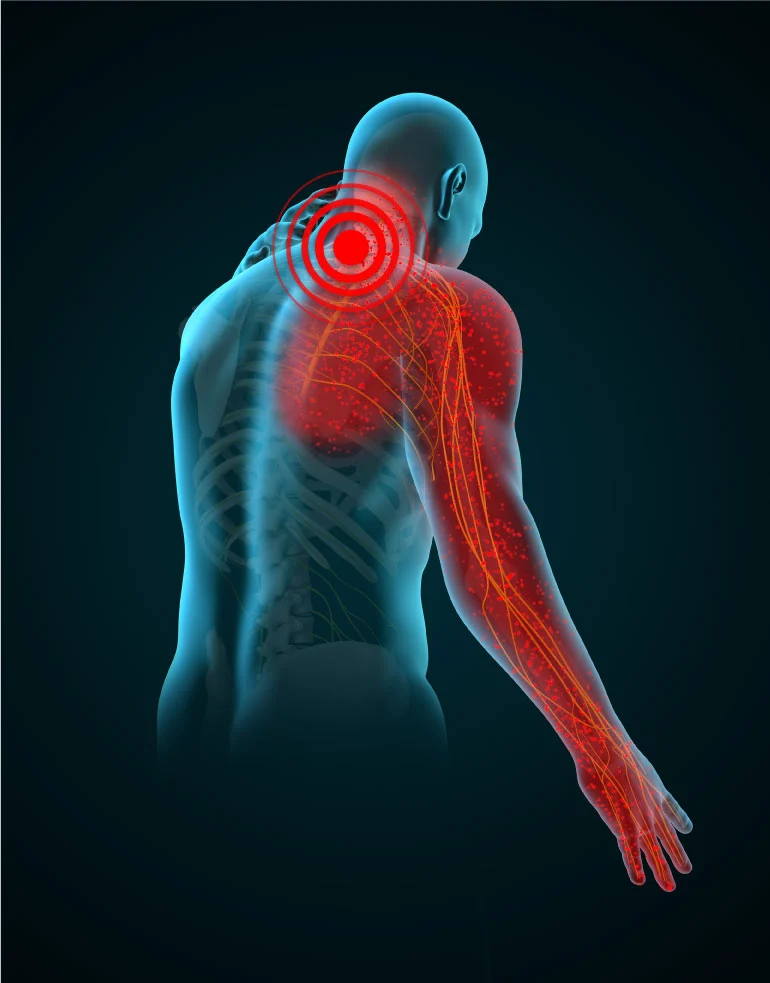
Is Pain Shooting Down Your Arm or Leg?
Pain, tingling or weakness that travels down an arm or leg often means a spinal nerve root is being squeezed. At American Neurospine Institute in Frisco, TX, our neurosurgeons find exactly where that nerve is compressed and why. Then we build a plan to calm it, starting with the most conservative options that make sense for you. If you’ve been searching for a radiculopathy specialist near me, we’re here to help you get back to moving without that electric, nagging pain.
Request an AppointmentWhat Is Radiculopathy?
Radiculopathy is irritation or compression of a spinal nerve root where it branches off the spinal cord. The nerve root becomes inflamed or pinched, so you feel symptoms along the path that nerve travels. That can be pain, numbness, tingling or muscle weakness in the arm, hand, buttock, leg or foot. Many people call it a pinched nerve, and doctors may also call it nerve root impingement.
What Are the Types of Radiculopathy?
Radiculopathy is named for the part of the spine where it starts:
- Cervical radiculopathy: A nerve root in the neck is compressed. It causes neck pain that spreads into the shoulder, arm or fingers.
- Lumbar radiculopathy: A nerve root in the lower back is affected. It often shows up as sciatica or leg pain that runs below the knee.
- Thoracic radiculopathy: This form is less common. It causes pain that wraps around the chest or upper abdomen.
What Causes a Compressed Nerve Root?
Most radiculopathy comes from changes in the spine that crowd the space around a nerve. Common causes include:
- A herniated disc pressing on a nearby nerve root
- Foraminal narrowing, where the opening the nerve exits through gets smaller
- Bone spurs from spinal arthritis
- Degenerative disc disease and loss of disc height
- Spondylolisthesis, injury or, less often, tumors or infection
What Does Radiculopathy Feel Like?
Patients often describe a sharp, burning or electric pain that follows a line down the limb. Other common symptoms include:
- Pain that radiates from the neck into the arm, or from the low back into the leg
- Numbness or pins-and-needles in the hand, fingers, leg or foot
- Weakness, such as trouble gripping objects or a foot that catches when you walk
- Changes in reflexes
- Pain that gets worse when you cough, sneeze, sit for long periods or turn your neck
How Do We Diagnose Radiculopathy?
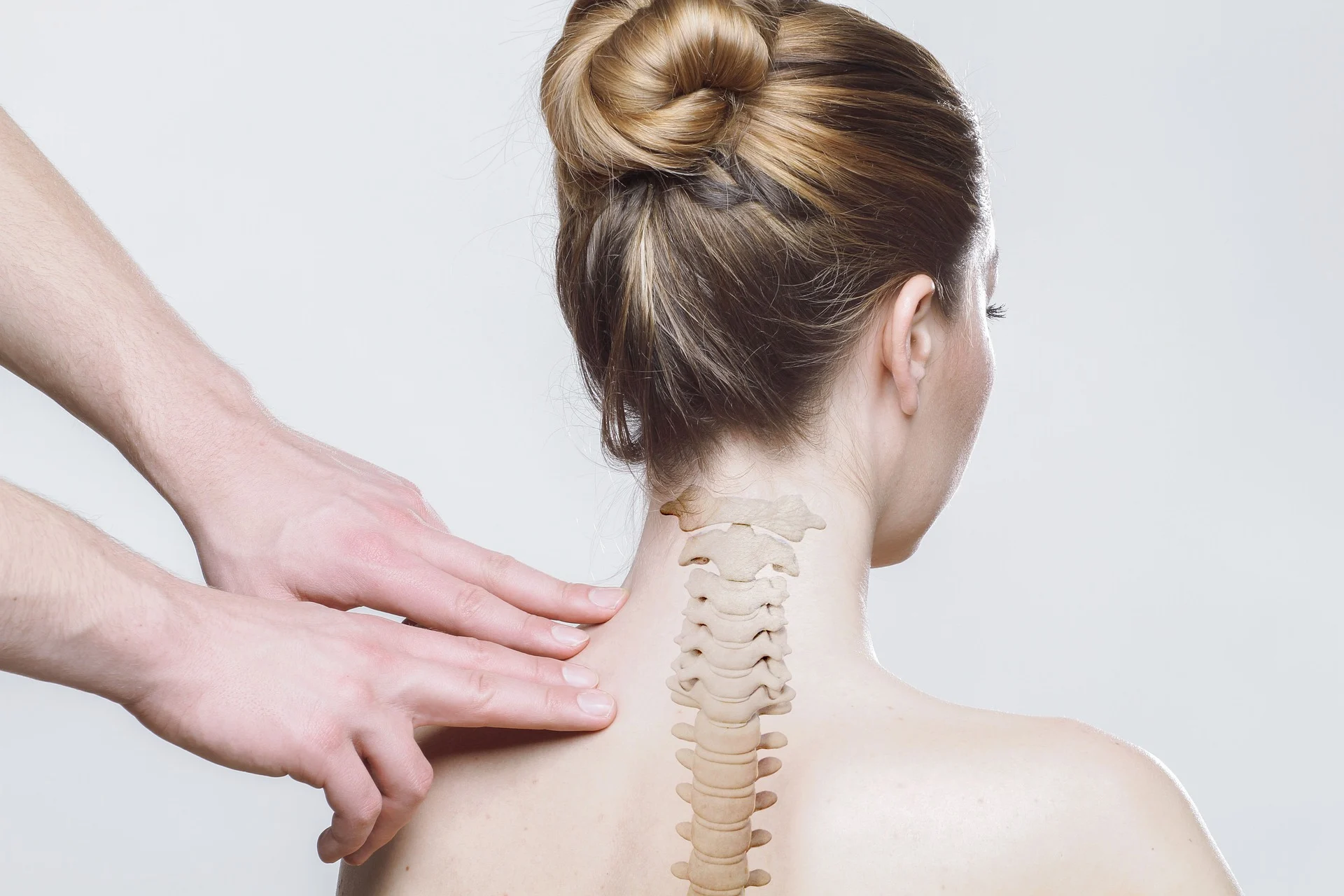
Your first visit starts with a conversation about your symptoms and a hands-on neurological exam. We check your strength, sensation and reflexes, which helps us pinpoint which nerve root is involved. Imaging such as an MRI, CT scan or X-rays shows what is pressing on the nerve. Nerve studies may also be used when the source isn’t clear. Learn more about your first visit to our office.
How Is Radiculopathy Treated?
Most people with radiculopathy improve without surgery. Our goal is to relieve pressure on the nerve, reduce inflammation and restore function, using the least invasive approach that works.
Which Non-Surgical Treatments Help Radiculopathy?
- Activity changes and medication: Anti-inflammatory medicines and short-term activity changes can calm an irritated nerve.
- Physical therapy: Targeted exercises open space around the nerve, strengthen supporting muscles and improve posture.
- Injections: Spinal injections, including facet block injections, deliver anti-inflammatory medicine close to the source of pain.
- Pain management: A coordinated plan helps you stay active while the nerve heals.
When Is Surgery Needed for Radiculopathy?
Surgery may be recommended if pain lasts despite several weeks of conservative care, or if weakness is getting worse. It may also be needed if you have signs of spinal cord compression, such as cervical myelopathy. Depending on the cause, options may include:
- Foraminotomy to widen the nerve’s exit path
- Lumbar disc microsurgery to remove the disc material pressing on a nerve in the low back
- Anterior cervical discectomy and fusion (ACDF) for nerve compression in the neck
- Minimally invasive surgery techniques that use smaller incisions and support a faster recovery
Why See a Neurosurgeon for Radiculopathy?
Neurosurgeons specialize in the nerves, spinal cord and spine. That means we can tell you whether your symptoms will likely settle with therapy or whether a procedure would protect nerve function. Meet Dr. Ripul R. Panchal and the rest of our providers. Patients come to us from across Collin and Denton counties, including those looking for a neurosurgeon near Plano.
Radiculopathy FAQs
What is the main cause of radiculopathy?
The most common cause is a herniated disc or age-related spine changes, such as bone spurs and foraminal narrowing. These changes compress a spinal nerve root as it exits the spine.
Can radiculopathy go away on its own?
Yes, many cases improve within several weeks to a few months with rest, medication, physical therapy or injections. Ongoing pain, numbness or weakness should be checked by a spine specialist.
Is radiculopathy the same as a pinched nerve?
Mostly, yes. A pinched nerve is the everyday term. Radiculopathy is the medical term for symptoms caused by a compressed or irritated spinal nerve root.
When should I worry about radiculopathy symptoms?
See a doctor promptly if you have worsening weakness, trouble walking, loss of coordination, or numbness in the groin area. Seek emergency care right away if you notice any new loss of bladder or bowel control.
Will I need surgery for radiculopathy?
Most patients do not. Surgery is usually considered only when conservative care hasn’t helped, or when nerve function is getting worse.
How long does it take to recover from radiculopathy treatment?
With conservative care, many people feel better within 6 to 12 weeks. After minimally invasive surgery, arm or leg pain often improves quickly. Full recovery can take a few weeks to a few months, depending on the procedure.
Where can I find a radiculopathy specialist near me in Frisco?
American Neurospine Institute is located at 13136 Dallas Parkway, Suite 540A, in Frisco, TX. Call (972) 806-1188 to schedule an evaluation with our neurosurgeons.
Ready to Get Relief from Nerve Pain?
You don’t have to keep living with pain, numbness or weakness that radiates down your arm or leg. Call American Neurospine Institute at (972) 806-1188 or request an appointment online to find out what’s compressing your nerve and how we can help.
