Sudden Back Pain After a Minor Fall or Even a Sneeze?
That sharp, stubborn pain could be a vertebra that has cracked or collapsed. At American Neurospine Institute, our neurosurgeons diagnose and treat spinal compression fractures in Frisco, TX every day, from simple bracing to minimally invasive kyphoplasty that can ease pain within days. If you’ve been searching for a compression fracture specialist near me in Frisco, Plano, McKinney or the surrounding area, we can see you quickly and help you get moving again. Call (972) 806-1188 to get started.
Request an AppointmentWhat Is a Spinal Compression Fracture?
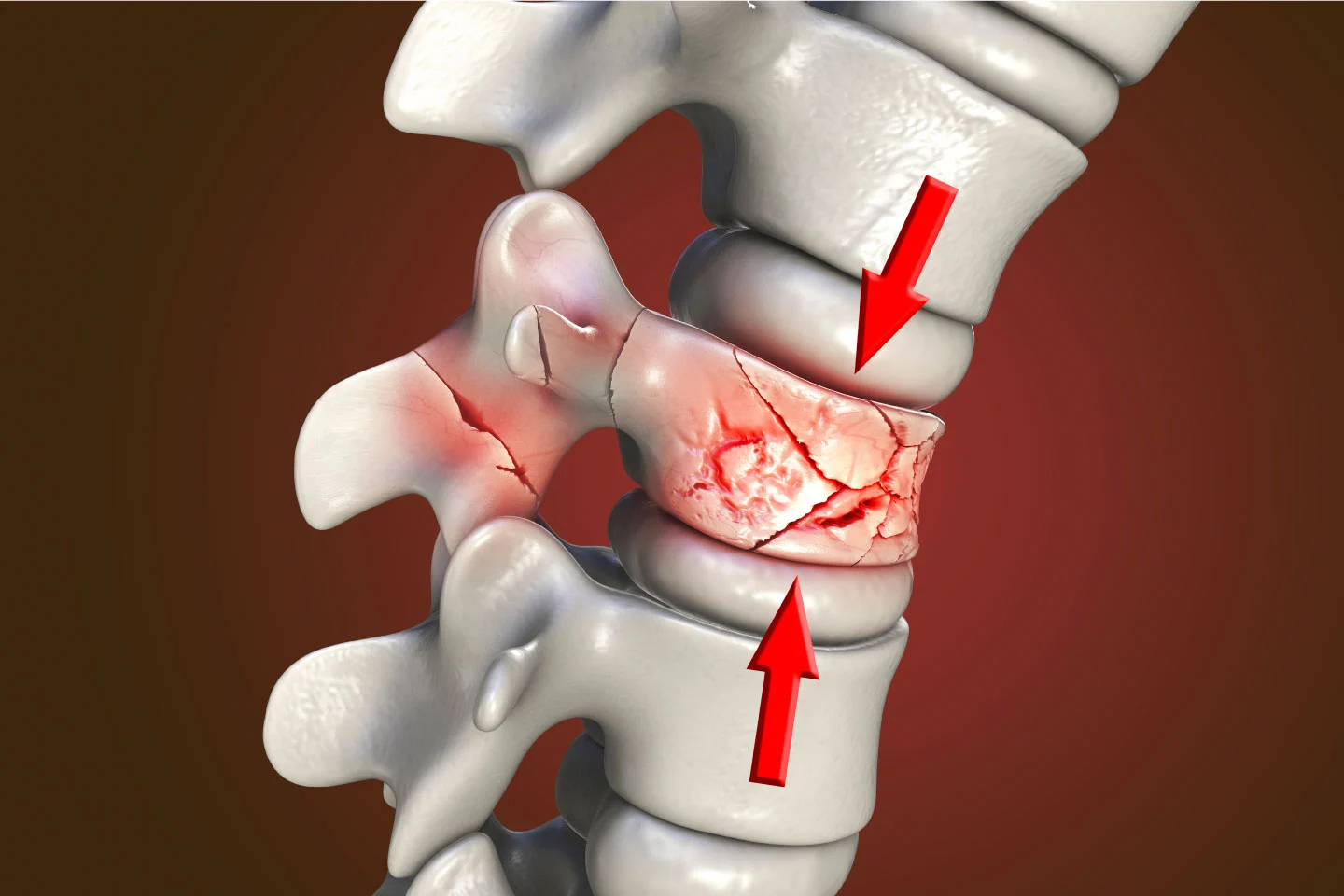
A spinal compression fracture is a break in a vertebra, one of the small bones that stack to form your spine, that causes the bone to collapse or lose height. Most happen in the middle back (thoracic spine) or the lower back (lumbar spine). The front of the vertebra often collapses more than the back, creating a wedge shape that can tip the spine forward over time and lead to a rounded upper back, also known as kyphosis.
What Causes Compression Fractures?
The most common cause is osteoporosis, a condition that thins and weakens bone until everyday activities such as bending, lifting a grocery bag or coughing can fracture a vertebra. The National Institute of Arthritis and Musculoskeletal and Skin Diseases notes that osteoporosis often has no symptoms until a bone breaks. Other causes include:
- Trauma: car accidents, sports collisions and hard falls can fracture even healthy vertebrae, sometimes alongside a spinal cord injury.
- Tumors: cancer that spreads to the spine, or a spinal tumor, can weaken bone from within.
- Long-term steroid use and certain medical conditions that reduce bone density.
What Does a Compression Fracture Feel Like?
Many patients describe sudden, sharp back pain that gets worse when standing or walking and eases when lying down. Some fractures develop slowly with only a dull ache. Watch for these signs:
- Back pain that begins suddenly, especially after a minor strain
- Pain that worsens with standing, bending or twisting
- Noticeable loss of height
- A forward-curved or hunched posture
- Numbness, tingling or weakness in the legs, signs of nerve pressure or radiculopathy
Weakness in the legs, trouble walking, or loss of bladder or bowel control need emergency care right away.
How Are Compression Fractures Treated?
Most compression fractures heal without surgery. Your treatment plan depends on how much the bone has collapsed, how much pain you’re in, and whether nerves or the spinal cord are affected. Conservative care often includes:
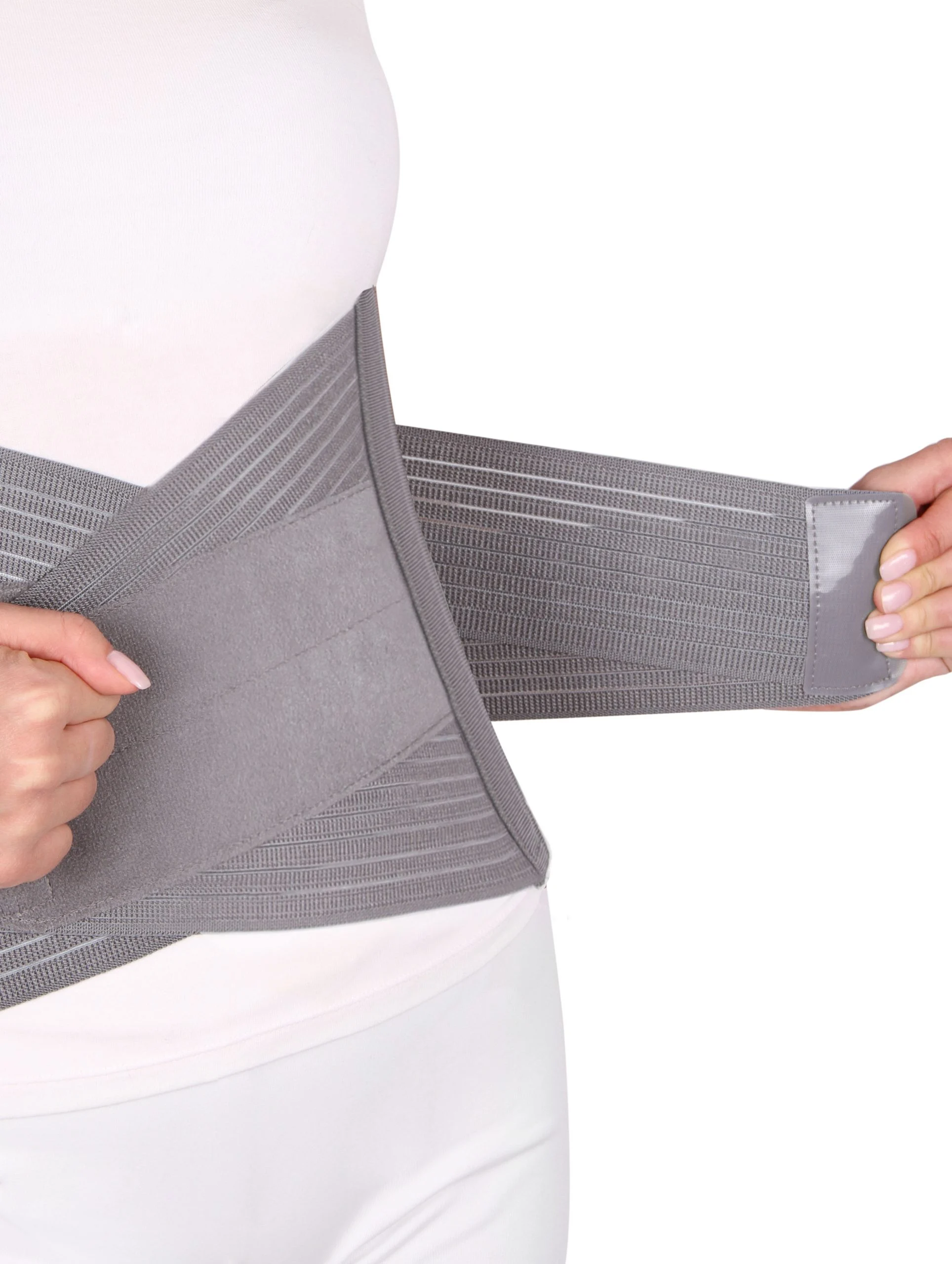
- Spinal bracing to support the spine and limit painful movement while the bone heals
- Pain management with medication and activity changes
- Physical therapy to rebuild core and back strength and improve posture
- Bone-strengthening treatment for osteoporosis to help prevent the next fracture
When Is Kyphoplasty or Surgery the Right Choice?
If pain stays severe after a few weeks of conservative care, a minimally invasive procedure called kyphoplasty (balloon vertebroplasty) may help. Through a small needle, a balloon is inflated inside the collapsed vertebra to restore height, then bone cement is placed to stabilize it. The procedure usually takes under an hour, and many patients feel relief within a day or two. Learn more on our kyphoplasty page or in our guide, How does kyphoplasty treat a compression fracture?
For unstable fractures, severe deformity, or bone fragments pressing on nerves, spinal fusion or decompression may be needed. Our surgeons use minimally invasive techniques and computer-assisted navigation whenever possible to reduce tissue damage and speed recovery.
Why See a Neurosurgeon for a Compression Fracture?
Because compression fractures sit right next to the spinal cord and nerve roots, a neurosurgeon can evaluate nerve involvement and offer every option, from bracing to surgery, under one roof. Dr. Ripul R. Panchal and Dr. Joshua Crooks review your imaging, explain what’s happening in plain language, and recommend the least invasive treatment that will work. Explore other back conditions we treat, or read about recovery after spine procedures.
What Are the Benefits of Treatment?
- Faster, more reliable pain relief
- Improved spinal stability and posture
- Better mobility and independence
- Lower risk of future fractures through bone health care
Compression Fracture FAQs
How long does a compression fracture take to heal?
Most spinal compression fractures heal in about 6 to 12 weeks with bracing, pain control and rest. Pain often improves gradually over that time. If pain is still severe after a few weeks, kyphoplasty may be an option.
Can a compression fracture heal on its own?
Yes. Many stable compression fractures heal without surgery. A neurosurgeon should still confirm the fracture is stable and that no nerves are being compressed.
How do I know if my back pain is a compression fracture?
Sudden back pain that worsens when standing and improves when lying down, especially if you have osteoporosis or are over 50, may point to a compression fracture. An X-ray, CT or MRI confirms the diagnosis.
Is kyphoplasty painful?
Kyphoplasty is done through a small needle under sedation or anesthesia, so you shouldn’t feel pain during the procedure. Many patients notice significant pain relief within one to two days.
Can I walk with a compression fracture?
Most people can walk with a stable compression fracture, and gentle walking is often encouraged. Avoid heavy lifting, bending and twisting until your doctor clears you.
How can I prevent another compression fracture?
Treating osteoporosis, getting enough calcium and vitamin D, doing weight-bearing exercise, and preventing falls at home all lower your risk of another fracture.
Where can I find a compression fracture specialist near me in Frisco?
American Neurospine Institute is located at 13136 Dallas Parkway, Suite 540A in Frisco, TX, and treats patients from across North Texas. Call (972) 806-1188 to schedule.
Ready to Get Relief From Compression Fracture Pain?
You don’t have to wait out weeks of pain on your own. Call (972) 806-1188 to schedule a consultation with our Frisco neurosurgery team, and we’ll find the fastest, safest path back to the activities you enjoy.
