
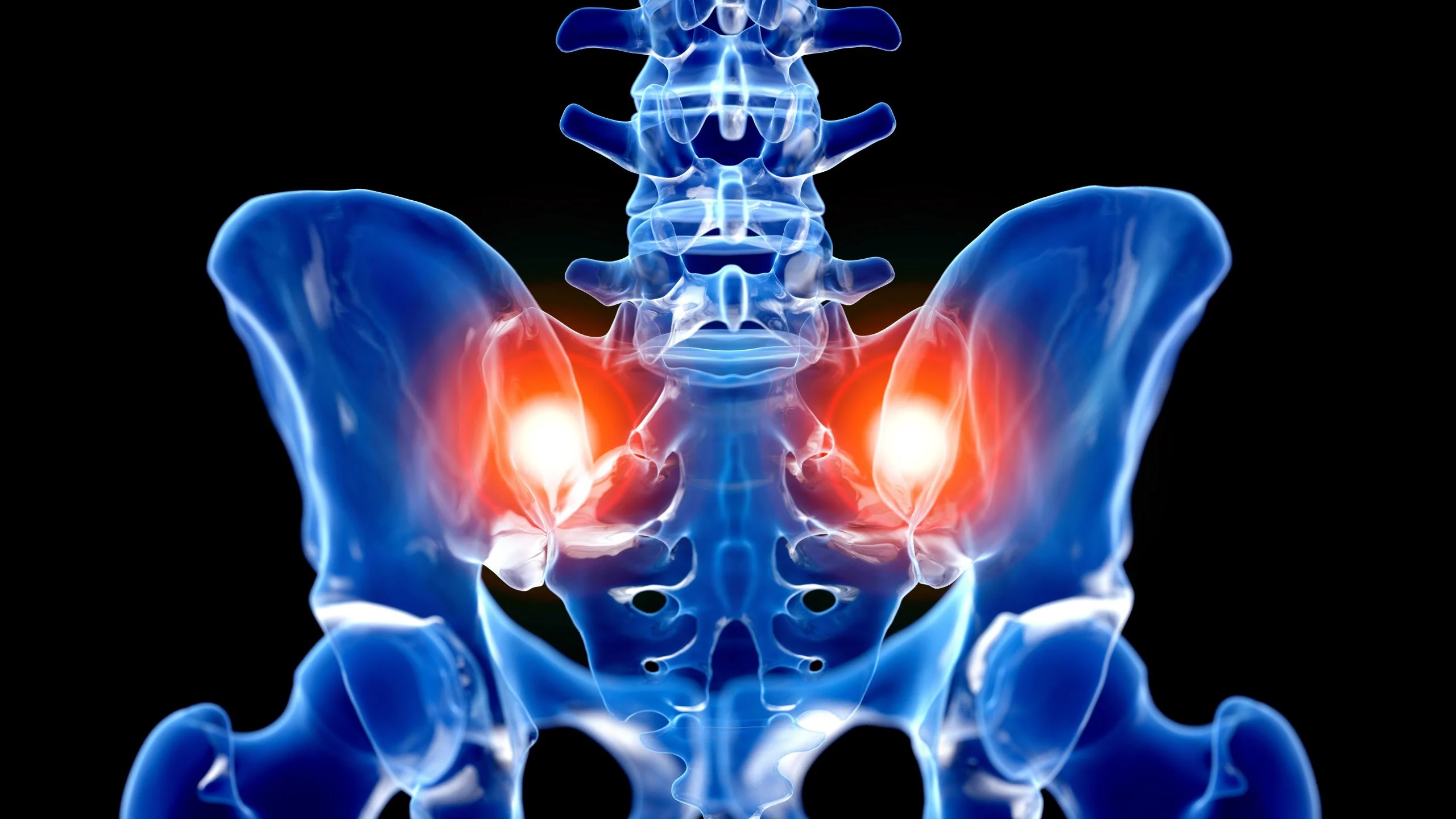
Is Your “Back Pain” Really Coming From Your SI Joint?
If you’ve had injections, physical therapy and medication for low back or buttock pain that just won’t quit, the source may be your sacroiliac joint rather than your spine. Dr. Ripul Panchal at American Neurospine Institute performs minimally invasive sacroiliac (SI) joint fusion in Frisco, TX to stabilize a painful, unstable joint so you can stand, sit, walk and sleep more comfortably again. If you’ve been searching for an SI joint specialist near me in Collin County, call (972) 806-1188 to find out whether you’re a candidate.
Request an AppointmentWhat Is Sacroiliac Joint Fusion?
Sacroiliac joint fusion is a surgical procedure that permanently stabilizes the joint connecting the base of the spine (the sacrum) to the pelvis (the ilium). The surgeon places small implants across the joint to stop painful movement, and over the following months bone grows across the joint to fuse it into one solid structure. It is used for chronic SI joint pain that has not improved with conservative care.
What does the sacroiliac joint do?
You have two SI joints, one on each side of the lower back. They move only a few millimeters, but they act as shock absorbers that transfer weight between your upper body and your legs. When a joint becomes inflamed, worn or too loose, every step, stair and car ride can send pain into the low back, buttock, groin or thigh. Research suggests the SI joint is responsible for a meaningful share of chronic low back pain, which is why it’s so often mistaken for a disc or nerve problem. You can learn more in our guide, What is sacroiliac joint dysfunction and how is it treated?
What Conditions Can SI Joint Fusion Treat?
Dr. Panchal may recommend sacroiliac fusion when imaging, a physical exam and diagnostic injections point to the SI joint as the main pain generator. Common causes include:
- Sacroiliac joint dysfunction or instability
- Sacroiliitis, or inflammation of the SI joint
- Degenerative arthritis of the SI joint, often alongside spinal arthritis
- Inflammatory conditions such as spondylitis that affect the joint
- Joint disruption from a fall, car accident or pregnancy
- SI joint pain that develops after a lumbar spinal fusion places extra stress on the pelvis
How Do I Know If My Pain Comes From the SI Joint?
SI joint pain overlaps with back pain, sciatica and leg pain caused by nerve compression, so a careful diagnosis matters. Signs that point toward the SI joint include:
- Pain on one side of the low back or buttock, usually below the belt line
- Pain that travels into the groin, hip or back of the thigh but rarely below the knee
- Discomfort when standing up from a chair, climbing stairs or getting out of a car
- Trouble sitting on the affected side or lying on that side at night
- A feeling that the pelvis is unstable or “giving way”
During your visit, Dr. Panchal performs hands-on provocation tests that stress the joint and reviews your X-rays, CT or MRI. The most reliable step is a diagnostic SI joint injection: if numbing medicine placed into the joint brings significant short-term relief, the joint is very likely the source of your pain.
Do I Need Surgery, or Can I Try Other Treatments First?
Most people start with conservative care, and many improve without an operation. Before recommending fusion, our team typically explores:
- Targeted physical therapy to strengthen the core, hips and pelvic stabilizers
- Anti-inflammatory medication and comprehensive pain management
- Image-guided joint injections, similar to our facet block injections
- An SI belt or other spinal bracing for short-term support
Sacroiliac fusion becomes an option when pain has lasted six months or longer, conservative care hasn’t provided lasting relief and diagnostic testing confirms the SI joint is the cause.
How Is Minimally Invasive SI Joint Fusion Performed?
Dr. Panchal uses minimally invasive surgery techniques for most SI joint fusions. Here is what the procedure generally involves:
- You receive general anesthesia and are positioned comfortably on the operating table.
- A small incision, usually a few centimeters long, is made on the side of the buttock.
- Using live X-ray guidance and, when appropriate, computer-assisted surgery, the surgeon prepares a precise path across the joint.
- Small titanium implants or screws are placed across the SI joint to stop excess motion right away.
- The incision is closed, and over the next several months bone grows onto and around the implants to create a lasting fusion.
Because muscles are spread rather than cut, the procedure usually takes about an hour, blood loss is minimal and many patients go home the same day or after a short hospital stay.
What Is Recovery Like After Sacroiliac Fusion?
Most patients use a walker or crutches to limit weight on the treated side for the first few weeks, then gradually return to normal walking. Physical therapy usually begins once the early healing phase is complete. Many people return to desk work within a few weeks and to more physical activity over several months as the fusion matures. Our preparing for surgery and recovery resources walk you through each stage.
What Are the Benefits of SI Joint Fusion?
- Lasting relief from low back, buttock and groin pain caused by the SI joint
- A more stable pelvis for standing, walking and climbing stairs
- Better sitting and sleeping comfort
- Less reliance on pain medication
- A small incision with a shorter recovery than traditional open surgery
Why Choose a Neurosurgeon for SI Joint Fusion in Frisco?
Because SI joint pain so closely mimics disc, nerve and facet problems, the right diagnosis is half the battle. Dr. Ripul Panchal evaluates the entire lumbar spine and pelvis together, so you aren’t treated for the wrong problem. If your pain started after an earlier spine operation, our experience with revision spine surgery and adjacent segment disease helps us sort out what’s really going on. Learn more about why patients choose our practice or meet our providers.
Questions Patients Ask About SI Joint Fusion
Who is a good candidate for SI joint fusion?
Good candidates have had SI joint pain for at least six months, haven’t found lasting relief with physical therapy, medication or injections, and have had a diagnostic SI joint injection that significantly reduced their pain. Dr. Panchal confirms candidacy with an exam and imaging.
Is sacroiliac joint fusion a major surgery?
Minimally invasive SI joint fusion is far less extensive than traditional open surgery. It uses a small incision, typically takes about an hour and many patients go home the same day or after one night in the hospital.
How long does it take to recover from SI joint fusion?
Most patients limit weight on the treated side with a walker or crutches for a few weeks, start physical therapy afterward and return to desk work within a few weeks. Full fusion and return to heavier activity usually take several months.
Can SI joint pain be mistaken for sciatica or a herniated disc?
Yes. SI joint pain often travels into the buttock and thigh, which looks a lot like sciatica or a herniated disc. A hands-on exam, imaging and a diagnostic injection help tell them apart.
Will I lose flexibility after SI joint fusion?
The SI joint naturally moves only a few millimeters, so most people notice little or no change in flexibility. Many actually move more freely because the pain that was limiting them is gone.
Does insurance cover sacroiliac joint fusion?
Many insurance plans, including Medicare, cover SI joint fusion when it’s medically necessary and conservative treatment has been documented. Our office can help verify your benefits before surgery.
Where can I find an SI joint fusion surgeon near me in Frisco?
American Neurospine Institute is located at 13136 Dallas Parkway, Suite 540A, in Frisco, TX, and sees patients from Plano, McKinney, Prosper, Allen and across North Texas. Call (972) 806-1188 to schedule a consultation.
Ready to Stand, Sit and Walk Without SI Joint Pain?
You don’t have to keep guessing where your low back pain is coming from. Schedule a consultation with Dr. Ripul Panchal in Frisco, TX to get a clear diagnosis and find out whether sacroiliac joint fusion is right for you. Call (972) 806-1188 or request your visit online.
