Can the Right Brace Help Your Spine Heal?
For many patients, it can. A spinal brace limits movement that can strain a healing spine, protects a recent fusion or fracture, and keeps your posture steady while your body recovers. At American Neurospine Institute in Frisco, TX, our neurosurgeons recommend bracing as part of a complete treatment plan. That includes care after spine surgery and support for certain fractures and unstable spinal conditions. If you’re looking for spinal bracing near you, we’ll explain whether a brace fits your situation, which type you need, and how long you’ll wear it.
Request an AppointmentWhat Is Spinal Bracing?
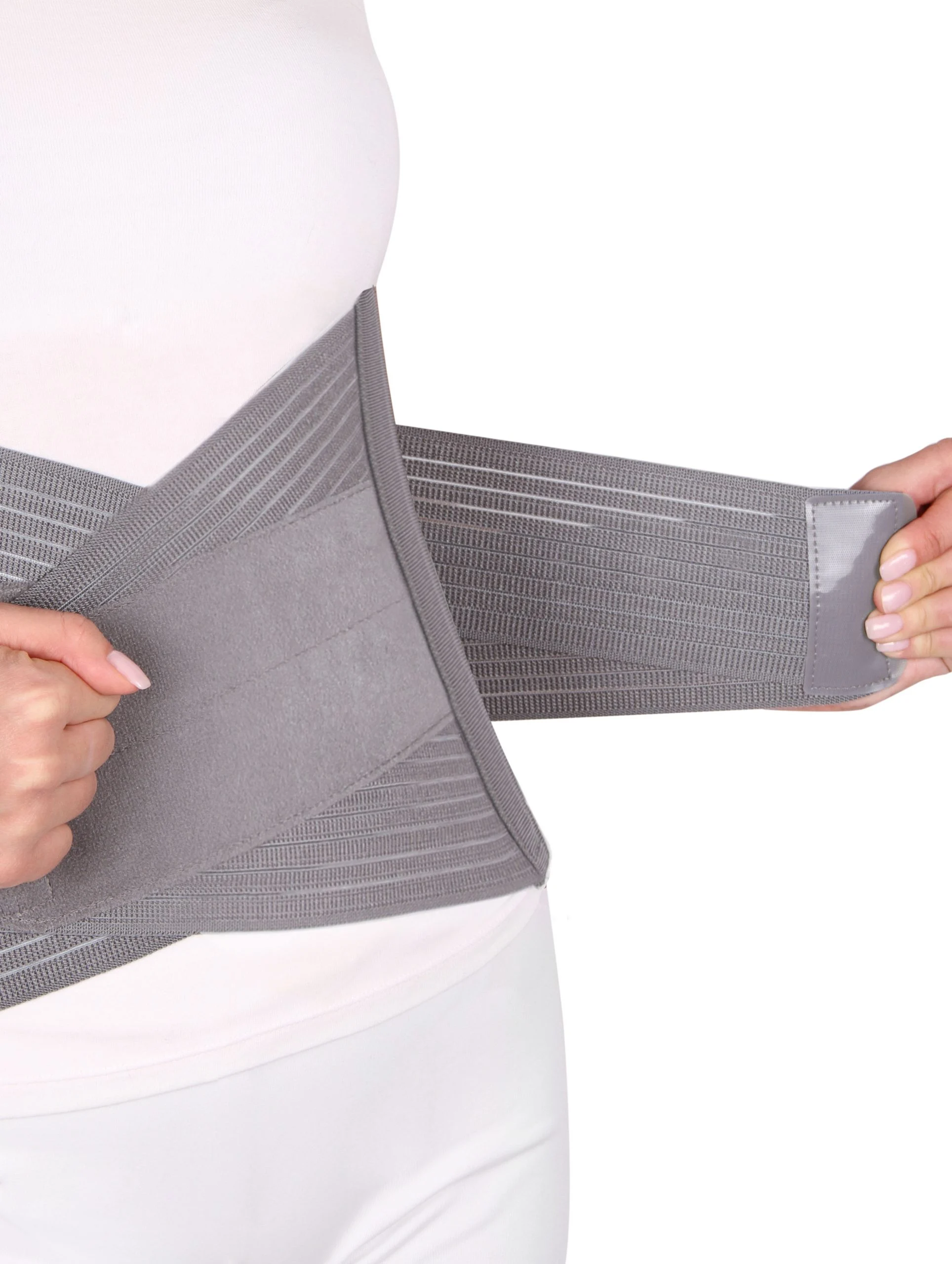
Spinal bracing uses a rigid or semi-rigid support worn around the neck, chest or lower back. It keeps part of the spine stable and limits bending, twisting and lifting motions. Bracing doesn’t replace treatment of the underlying problem. Instead, it protects the spine while bone, discs and soft tissue heal. At our Frisco practice, bracing is most often used after surgery. It works alongside our non-surgical care and surgical treatment options.
Who Might Benefit From a Spine Brace?
Your neurosurgeon may recommend a brace if you have:
- Recently had spinal fusion or another stabilizing procedure
- A vertebral compression fracture, with or without kyphoplasty
- Scoliosis or another spinal deformity that needs support
- Spinal instability from spondylolisthesis
- Painful flare-ups from spinal stenosis or a herniated disc
- Progressive forward rounding of the spine from kyphosis
What Types of Spinal Braces Do We Use?
- Cervical collars: Support the neck after procedures such as an anterior cervical discectomy and fusion (ACDF) and limit neck motion while the fusion sets.
- Thoracolumbar braces: Stabilize the mid and lower back after fractures or multi-level surgery.
- Lumbar (LSO) braces: Support the lower back after lumbar procedures like a TLIF and reduce stress on healing segments.
- Deformity braces: Help support the spine for some patients with curvature conditions, often alongside scoliosis correction planning.
How Does Bracing Fit Into Your Treatment Plan?
First, our team evaluates you and talks through your surgical and non-surgical options so we can choose the best treatment plan together. If surgery is the right step, we arrange bracing once your consent for surgery is complete and we receive authorization from your insurance company. After surgery, the brace provides stability and restricts motion during the early healing phase. You can learn more about approvals on our insurance and billing page. Our preparing for surgery guide covers what to expect beforehand.
What Happens After the Brace Comes Off?
As your spine heals, your surgeon will gradually reduce brace wear. You’ll then rebuild core strength and flexibility, often with physical therapy. Our recovery resources explain each stage. Led by Dr. Ripul R. Panchal, our team follows you closely so the brace helps your recovery without weakening the muscles that support your spine.
Questions Patients Ask About Spinal Bracing
What does a spinal brace do?
A spinal brace limits bending, twisting and other motions that can stress a healing spine. It protects surgical repairs and fractures, supports good posture and can ease pain while the spine heals.
Do I need a brace after spine surgery?
Many patients wear a brace after fusion and other stabilizing procedures. It adds stability and restricts motion during early healing. Your neurosurgeon will tell you whether your specific procedure calls for one.
How long will I have to wear a back brace?
It depends on your procedure or condition and on how quickly you heal. Brace wear often lasts several weeks after surgery. Your surgeon will check your progress at follow-up visits and tell you when it’s safe to reduce or stop wearing it.
Does insurance cover spinal bracing?
Many insurance plans cover medically necessary bracing. Our team requests authorization from your insurance company once your consent for surgery is complete, and we provide your brace after authorization is received.
Can a brace treat a herniated disc or spinal stenosis without surgery?
A brace can offer short-term support and pain relief during flare-ups. It doesn’t correct the underlying disc or narrowing, though. It works best as one part of a broader plan that may include physical therapy, pain management or surgery.
Will wearing a brace weaken my back muscles?
Wearing a brace longer than needed can lead to muscle weakness. That’s why our neurosurgeons set a clear wear schedule and often pair brace removal with physical therapy to rebuild strength.
Where can I find spinal bracing near me in Frisco?
American Neurospine Institute is at 13136 Dallas Parkway, Suite 540A, in Frisco, TX. Call (972) 806-1188 to schedule an evaluation with our neurosurgery team.
Ready to Protect Your Spine While It Heals?
Whether you’re preparing for surgery or managing a spinal fracture, the right brace can make your recovery safer and more comfortable. Call American Neurospine Institute at (972) 806-1188 to talk with our neurosurgery team in Frisco, TX.
